FAQ

Trevipet help center

Smart pet care questions, answered clearly.

Find practical guidance for smart feeding, hydration, GPS tracking, pet ID, cameras, access devices, training tools, visibility gear, vehicle safety and environmental monitoring.

Cat standing beside a smart automatic feeder in a bright home setting
Start with the product category. Setup, fit, connectivity, cleaning and everyday-use questions are grouped below so the information is easier to scan.

Browse by topic

The essentials, organized around real pet routines.

Use these topic groups to understand what to check before choosing, setting up and maintaining smart pet devices and safety products.

Feeding and Hydration

Automatic feeders, RFID access, wet food devices and smart fountains.

Tracking and ID

GPS trackers, wireless boundaries, NFC tags and QR identification.

Monitoring and Access

Pet cameras, moving camera robots, smart doors and RFID access.

Training and Visibility

Communication buttons, training devices, LED wear and reflective safety.

Travel and Environment

Car seats, barriers, travel safety and temperature or humidity monitoring.

Smart Feeding and Hydration

How do I choose between a standard automatic feeder and an RFID feeder?
A standard automatic feeder focuses on scheduled portions. An RFID feeder adds controlled access for a recognized pet, which can be useful in multi-pet homes where individual feeding access matters. Check tag compatibility, bowl capacity and supported food type before choosing.
What should I check before buying a wet food feeder?
Review the cooling or freshness method, tray capacity, meal schedule options, cleaning requirements and the manufacturer’s guidance for safe food storage. Wet food devices may require more frequent cleaning than dry-food feeders.
How often should a smart water fountain be cleaned?
Cleaning frequency depends on the fountain design, water quality, number of pets and filter system. Follow the product instructions, refresh water regularly and inspect the pump, bowl and filter area for buildup.

GPS Tracking, Boundaries and Smart ID

What should I compare when choosing a GPS pet tracker?
Compare the tracker’s fit, weight, network or subscription requirements, charging routine, location-update behavior, water resistance and app compatibility. Coverage and performance can vary by environment and service availability.
Does a wireless pet fence replace supervision?
No. Wireless boundary products are training and containment aids, not a substitute for responsible supervision, secure physical environments or careful introduction. Follow the manufacturer’s training process and fit guidance.
How do NFC and QR pet ID tags work?
These tags typically connect a scan or tap to a digital pet profile. Availability of profile features, location sharing and notifications depends on the specific product or service, so review how data is updated and accessed before use.

Pet Cameras and Smart Access

Where should I place a pet camera?
Place it where your pet naturally spends time and where the camera has a clear view without creating a trip, chew or cable hazard. Check Wi-Fi strength, power access and the camera’s field of view before final placement.
What is the difference between a fixed camera and a moving pet camera robot?
A fixed camera monitors from one position, while a moving camera robot can travel through compatible indoor spaces. Mobility, obstacle handling, charging, floor type and remote-control features vary by device.
What should I check before installing a smart pet door?
Confirm the opening size, wall or door compatibility, pet dimensions, access-tag requirements, power needs and installation method. Measure carefully and follow the product’s mounting instructions rather than relying on a general size label.

Training, Communication and Visibility

How should communication buttons be introduced?
Begin with a small number of clear, consistent words linked to familiar routines. Place buttons where they are easy for the pet to reach and keep training sessions patient and consistent.
How do I choose LED or reflective safety wear?
Check the pet’s measurements, visibility angle, charging or battery method, weather suitability and how the item works with the existing collar or harness. Safety wear should fit securely without restricting normal movement.
What should I consider with bark or training collars?
Use training devices responsibly and according to the product instructions. Fit, stimulation modes, sensitivity, timing and the individual pet’s behavior all matter. Training tools should support a thoughtful training plan rather than replace supervision and positive guidance.

Vehicle and Environmental Safety

How do I choose a dog car seat, bed or vehicle barrier?
Measure your pet and the intended vehicle area, then review how the product attaches or is positioned. Compatibility varies by vehicle and product type, so confirm dimensions, restraint guidance and placement before travel.
What does a pet temperature and humidity monitor help me track?
These devices can help you monitor environmental conditions in a room, RV or compatible vehicle setup. Alert methods, cellular or Wi-Fi requirements and power-loss behavior differ by model. They support awareness but do not replace direct pet care or supervision.
Should I test alerts before relying on an environment monitor?
Yes. After setup, confirm the device is connected, test the notification path and review battery or backup-power behavior. Recheck the system periodically, especially before travel or seasonal temperature changes.

Before you choose

Two checks that solve many product questions early.

Fit and environment affect how well many smart pet and safety products integrate into everyday routines.

Beagle wearing a visible GPS tracker on its collar during an outdoor walk
Fit and connectivity

Measure first, then check the connection requirements.

For trackers, smart access products and wearable safety devices, confirm physical fit as well as cellular, Wi-Fi, app or tag requirements before purchase.
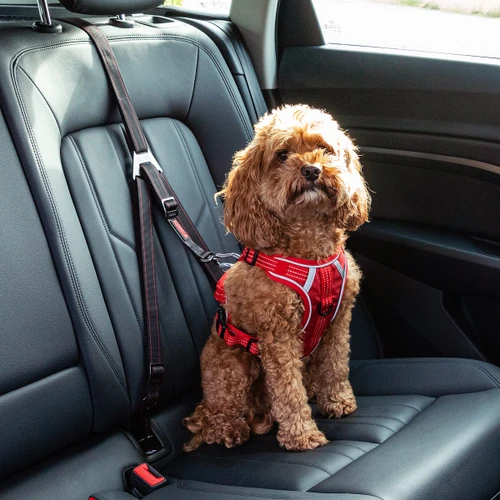
Dog wearing a travel harness connected to a vehicle safety tether in the rear seat
Placement and routine

Plan where the product will live and how you will use it.

Vehicle accessories, cameras, feeders and environment monitors all benefit from a quick placement check before setup, including power, clearance, cleaning access and safe daily use.

Still have a question?

Tell Trevipet what you are trying to set up.

For help narrowing a product category, share your pet’s general size, the intended use, where the device will be used and the feature you are trying to prioritize.

Mobile pet camera robot shown with a dog monitoring view on a smartphone
Shipping 3–5 business days
Address 9143 MAPLE ST, Hesperia MI 49421